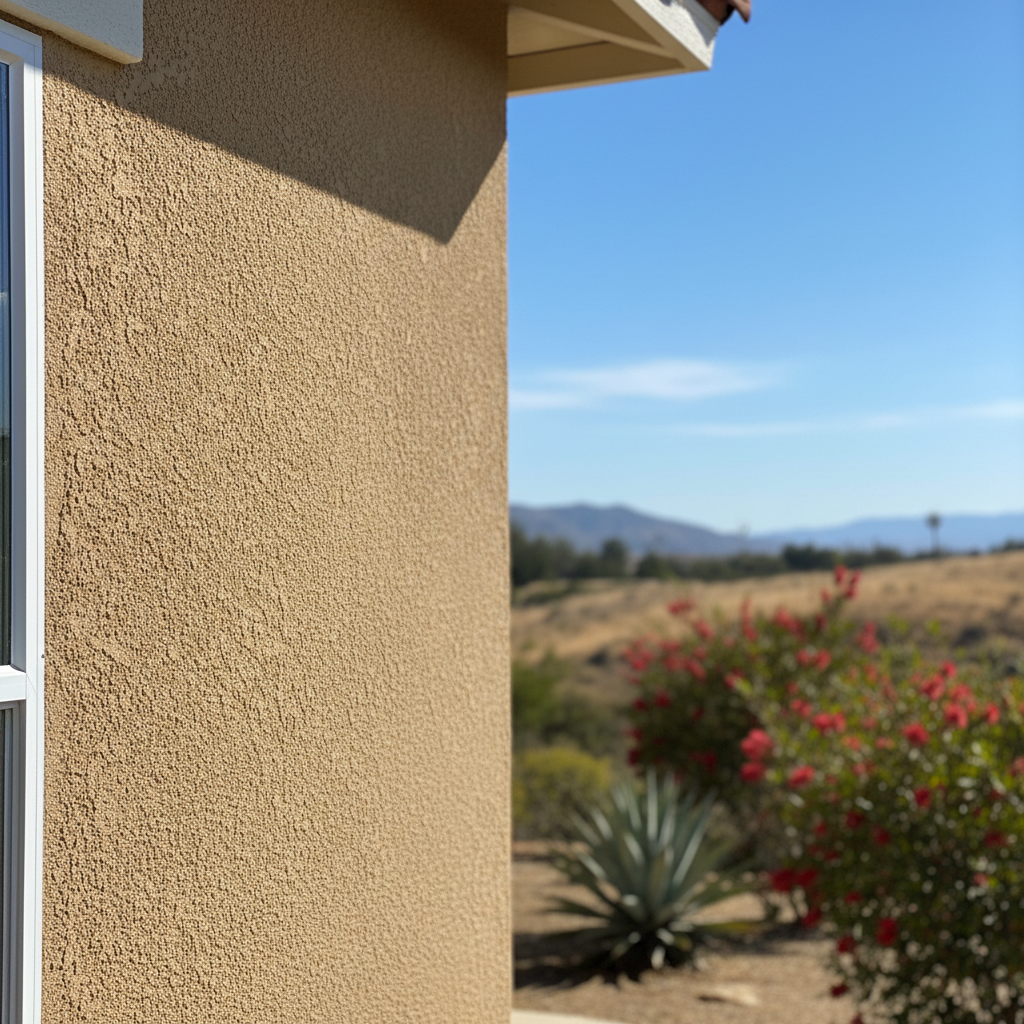
Is Painting Your Stucco a Good Idea?
So, you're staring at your stucco and thinking, "Hmm, that could use a refresh." Maybe the color's faded, or it just looks a bit tired. Painting stucco? Absolutely, it's an option, and it can really perk up your home's curb appeal. But it's not as simple as just slapping on some paint, like you might do on drywall. Stucco breathes, you know? You've got to respect that.
First off, let's talk about why you'd even want to paint. A new color can totally transform your house, right? It can also give you a little extra protection from the elements, especially here in Santa Clarita where we get that intense summer sun and those dry, whipping winds. But you really have to do it right. Otherwise, you'll just end up with more headaches than you started with.
Before You Even Think About Paint
Alright, before you even buy one can of paint, you've got some homework ahead of you. This is where a lot of folks mess up. It's also where you'll figure out if this is a DIY job or if you really need to call someone like us at Santa Clarita Stucco & Plastering.
- Inspect for Damage: Take a walk around your house. Look for cracks, crumbling stucco, or any spots that feel soft or sound hollow when you tap them. Painting over damaged stucco is, well, it's like putting lipstick on a pig – it'll look bad fast, and the real problem underneath will just get worse. If you've got significant cracks (anything bigger than a hairline) or a lot of damage spread out, you're definitely looking at repairs before painting. This is often when a pro steps in, especially if it's structural or pretty extensive.
- Clean, Clean, Clean: Stucco gets dirty, no doubt about it. Dust, grime, mildew, even those stubborn black streaks from irrigation runoff – it all has to go. A good power wash is usually the best way to tackle this. Just be careful with the pressure, okay? Too high, and you can actually damage the stucco. Start with a lower setting and slowly work your way up. You might need a mild detergent for those really stubborn spots. Let it dry completely, and I mean *completely*, before you even think about primer. We're talking days, especially if you've really soaked it.
- Choose the Right Paint: This part is crucial. You can't just grab any old exterior paint. Stucco needs paint that breathes. Acrylic latex paints are usually your best bet because they're flexible and let moisture vapor escape. Don't even think about oil-based paints; they'll trap moisture, and you'll end up with peeling paint and potential stucco failure down the road. Look for paints specifically made for masonry or stucco.
- Primer is Your Friend: Seriously, don't skip the primer. A good quality acrylic primer made for masonry will help the paint stick better, give you a more even finish, and ensure your topcoats cover well. It's an extra step, yes, but it's worth every penny and every minute you spend on it.
Getting Down to Business: The Painting Process
Okay, you've prepped, you've cleaned, and you've got all the right materials. Now for the actual painting. This part can be a DIY project for many homeowners, especially if your house isn't super tall or too complex.
- Protect Everything: Mask off windows, doors, trim, light fixtures, and anything else you don't want painted. Lay down drop cloths or plastic sheeting on the ground to protect your landscaping and concrete. This takes time, but trust me, it's way faster than cleaning up paint drips later.
- Application Method: For stucco, spraying is often the most efficient way to get paint into all those nooks and crannies, especially with the rougher textures we see in places like Canyon Country. If you're comfortable with a paint sprayer, go for it. Otherwise, a good quality roller with a thick nap (like 3/4 inch or 1 inch) will work, but it'll be more labor-intensive. You might even need to back-brush with a stiff brush to make sure the paint really gets into the texture.
- Two Coats, Always: Don't cut corners here. One coat rarely gives you the coverage and durability you need, especially when you're changing colors. Two thin, even coats are always better than one thick one. Let the first coat dry completely, following the manufacturer's instructions, before you put on the second.
- Watch the Weather: This is huge in Santa Clarita. Don't paint in direct, blazing sun, or when it's super windy and dusty. Early mornings or late afternoons are often best. Check the forecast too; you definitely don't want rain hitting fresh paint.
After the Paint Dries: What's Next?
You did it! Your house looks great. Now, a few things to keep in mind for the long haul.
- Clean Up: Remove all your masking and drop cloths. Clean your tools properly, of course.
- Maintenance: Keep an eye on your newly painted stucco. If you spot any chips or peeling down the road, fix them quickly. A little touch-up now can prevent a much bigger problem later.
- When to Call a Pro: If you get into the prep work and realize you've got extensive stucco damage, or if your house is multi-story and you're just not comfortable on ladders, that's when you call in the experts. We've got the equipment, the experience, and the know-how to handle those bigger jobs safely and efficiently. Sometimes, that peace of mind is totally worth the investment.
Painting your stucco can be a really rewarding DIY project if your stucco is in good shape and you're super careful with the prep. But don't be afraid to admit when it's over your head. That's what local pros like us are here for, after all.