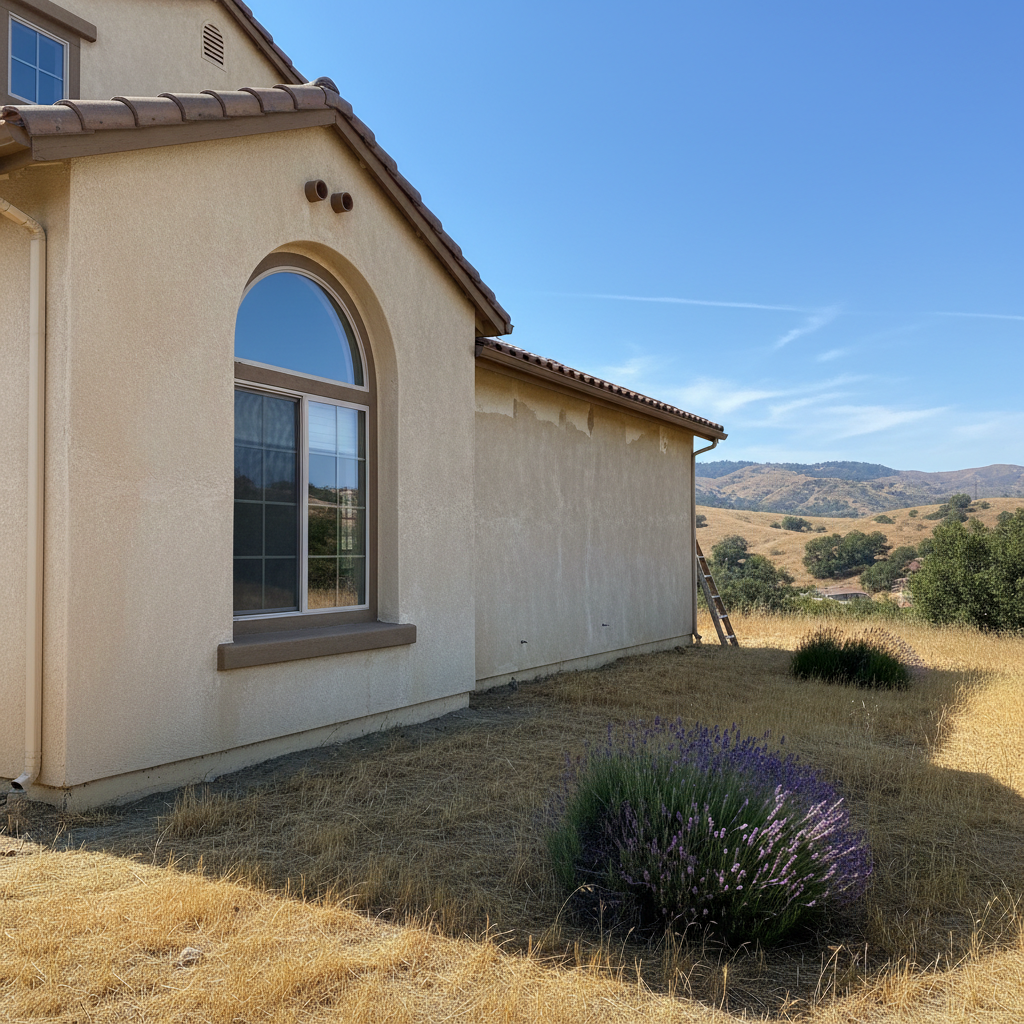
You've got stucco on your Santa Clarita home, which is a really smart choice for our climate. It's tough, helps save energy, and honestly, it just looks great. But like anything else around the house, it needs a little TLC to stay that way. People often ask me, "When's the best time to check my stucco?" or "Does the weather really matter for repairs?" The quick answer? Oh yeah, it absolutely does.
Why Santa Clarita's Weather Is a Big Deal for Stucco
Our local weather here in Santa Clarita isn't like, say, the Midwest. We don't get those brutal winters with freezing and thawing cycles that can really beat up stucco. What we *do* get are those long, hot, dry summers, followed by a shorter, sometimes wet, sometimes mild winter. We also deal with those Santa Ana winds that kick up a ton of dust and debris, and every now and then, a little earthquake shake. All these things play a part in how your stucco holds up and what kind of upkeep it needs.
That intense summer sun can really bake your stucco, especially on walls facing south and west. Over time, this can lead to fading, chalking, and even tiny hairline cracks as the material expands and shrinks. Then, when the cooler, wetter weather rolls in, any little crack can let moisture in. That's where bigger problems start, and trust me, you don't want water getting behind your stucco; it's a recipe for trouble, like mold or even structural damage. Yikes!
When to Get Your Stucco Looked At
I always tell folks, the best time for a good stucco inspection is usually in the fall, right after those long, hot summers, and before any serious winter rains hit. Why then? Because the summer heat will have done its thing. Any small cracks that might have popped up from expansion and contraction will be easy to spot. Plus, it's typically dry enough that you won't be inspecting wet stucco, which can actually hide problems.
- Fall (October-November): This is prime time. The summer heat has passed, so you can clearly see any sun-related stress or new cracks. It's also usually still warm and dry enough for any necessary repairs to get done right before the colder, potentially wetter months.
- Spring (March-April): Consider this your secondary check-up. After any winter rains, you'll want to make sure no moisture snuck in and caused issues. Look for streaks, discoloration, or efflorescence (those white powdery deposits) which can all point to water getting where it shouldn't.
- After any big event: Did we have a significant earthquake? High winds that blew a tree branch into your house? A major leak from your roof or gutters? Get it checked out. Don't just wait for your regular seasonal inspection.
Think of it like getting your car's oil changed. You wouldn't wait until the engine seizes up, right? Same goes for your stucco. Catching a small issue early can save you a ton of money and hassle down the road.
Weather Conditions and Stucco Work
If we find something that needs fixing, the weather definitely tells us when and how we can do the job. You can't just slap stucco on in any conditions. Here's what we look for:
- Temperature: Stucco needs to cure properly. Super hot temperatures (like those 100+ degree days we get in August) can make it dry too fast, which leads to cracking. Too cold, and it won't set up right at all. We're usually aiming for temperatures between 40°F and 90°F.
- Moisture: Rain is an absolute no-go for applying stucco. It dilutes the mix, weakens the bond, and can just wash it right off the wall. Even high humidity can mess with drying times. We really need dry conditions for application and for that first curing period.
- Wind: Those Santa Ana winds are great for drying clothes, but not so much for fresh stucco. Strong winds can dry the surface too quickly, causing shrinkage cracks, and they can also blow dust and debris right into the fresh material. We'll often use screens or tarps to protect the work area on windy days, just to be safe.
So, if you call us at Santa Clarita Stucco & Plastering for a repair and we suggest waiting a few days for the weather to clear up or cool down, it's not because we're lazy. It's because we want to make sure the repair lasts and looks perfect for your home.
Protecting Your Stucco Investment All Year Long
Beyond professional inspections, there are things you can do as a homeowner to keep your stucco in great shape:
- Keep an eye out: Regularly walk around your house. Look for cracks, discoloration, soft spots, or areas where the stucco might be bulging. Pay extra attention around windows, doors, and rooflines – these are common spots for water intrusion, believe it or not.
- Manage water: Make sure your gutters are clean and draining properly, directing water away from your foundation. Check your sprinklers, too; you definitely don't want them constantly spraying your stucco walls.
- Trim foliage: Keep shrubs and trees trimmed back from your stucco. They can rub against the surface, hold moisture, and even provide pathways for pests.
- Clean gently: If your stucco gets dirty, a gentle wash with a garden hose and a soft brush (and maybe a mild detergent) is usually all it needs. Avoid high-pressure washers, though, as they can damage the stucco surface.
- Address issues promptly: Don't let a small crack turn into a big problem. If you see something concerning, give us a call. It's almost always cheaper to fix a minor issue than to deal with extensive damage later.
Taking a proactive approach to your stucco's health will ensure it continues to protect and beautify your Santa Clarita home for decades. It's a tough material, but a little care really does go a long way.