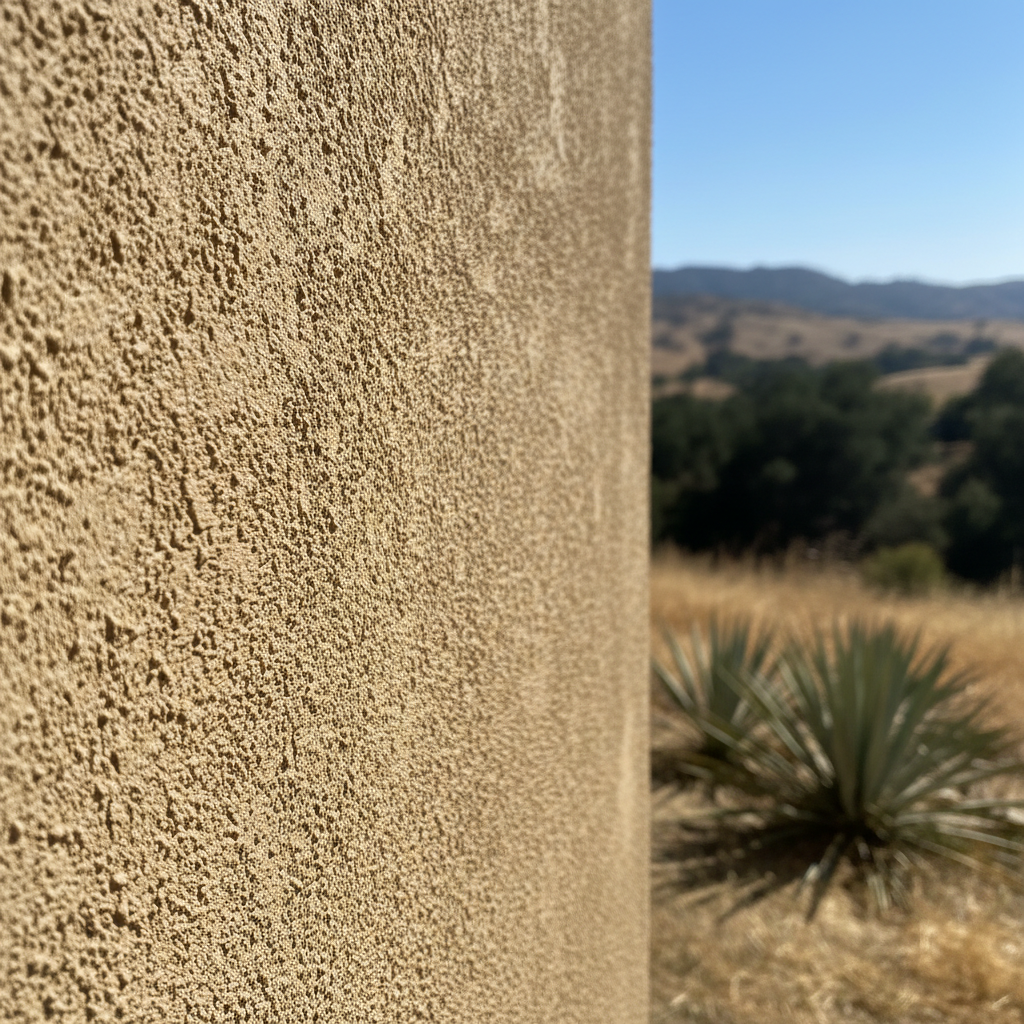
You've got stucco on your Santa Clarita home, right? It's tough, looks good, and usually holds up great to our dry, hot climate. But even the best stucco needs a little attention sometimes. Knowing what to look for can save you a ton of headaches and cash down the road. This isn't about becoming a stucco expert overnight, but it's about being smart about your biggest investment.
Before You Start Looking: Get Ready
First off, you're going to need a few things. A good pair of eyes, obviously. A flashlight can be super helpful, especially in shaded areas or if you're peeking into tight spots. You might also want a small, soft rubber mallet or a plastic handle from a screwdriver – something you can tap the stucco with without damaging it. A notepad and a pen, or your phone, to jot down anything you find is a good idea too. And wear comfortable shoes; you'll be walking around the whole house.
Think about what you're trying to achieve. Are you just doing a routine check-up? Or did you notice a weird stain and now you're digging deeper? Knowing your goal helps you focus.
The DIY Stucco Inspection: What You Can Spot
Okay, let's get into it. You're looking for anything that seems out of place. Start with a walk-around, taking in the whole picture. Then, get a bit closer.
- Cracks: Not all cracks are created equal. Hairline cracks, especially around windows or doors, are often just cosmetic. They happen as the house settles or from temperature changes. If they're thin like a human hair and don't seem to go deep, they're usually not a big deal. But if you see cracks that are wider than a credit card, or if they're in a spiderweb pattern, or running horizontally or diagonally for several feet, that's a red flag. Those can indicate structural issues or serious moisture problems.
- Stains and Discoloration: Dark streaks, especially under windows or near the roofline, are often a sign of water getting behind the stucco. Algae or mildew growth is another big indicator of moisture. You might see rust-colored stains too, which could mean metal components behind the stucco are corroding.
- Bulges or Soft Spots: This is where your tapping tool comes in. Gently tap the stucco in different areas. It should sound solid. If you hear a hollow sound, or if an area feels soft or spongy when you press on it (don't press too hard!), that's a sign of delamination or water damage. The stucco might be separating from the wall or the substrate underneath is rotting.
- Efflorescence: This looks like a white, powdery residue on the surface. It's mineral salts left behind when water evaporates from within the wall. It means water is getting in and then drying out, leaving the salts behind. It's a clear sign of moisture intrusion.
- Flashing Issues: Look at all the areas where stucco meets another material – around windows, doors, rooflines, utility penetrations (like pipes or vents). There should be proper flashing (metal or plastic strips) to direct water away. If you see gaps, missing caulk, or flashing that looks bent or improperly installed, that's a prime entry point for water.
- Weep Screeds: At the very bottom of your stucco wall, there should be a metal strip called a weep screed. It's designed to let any water that gets behind the stucco drain out. Make sure it's not buried by landscaping, dirt, or concrete. It needs to be clear and visible, usually about 4-6 inches above grade. If it's blocked, water can't escape, leading to rot and damage. This is especially important in areas like Stevenson Ranch or Valencia where homes often have landscaping right up against the foundation.
When to Call a Pro
You've done your walk-around, you've tapped, you've looked. What if you found something concerning? This is where you need to be honest with yourself. If you see widespread cracking, significant water stains, soft spots, or if you're just not sure what you're looking at, it's time to bring in someone who deals with stucco every day.
A professional stucco inspection goes way beyond what you can do. We've got tools like moisture meters that can detect hidden water behind the walls without tearing anything open. We know the common failure points for stucco systems in our specific climate and building styles. We can identify the root cause of the problem, not just the symptom.
Don't wait until a small issue becomes a huge, expensive repair. If you suspect a problem, or if it's been a few years since your last professional check-up, give us a call at Santa Clarita Stucco & Plastering. We can give you an honest assessment and help you figure out the best course of action. Sometimes it's a simple fix, sometimes it's more involved, but either way, catching it early is always better.
After the Inspection: What's Next?
Whether you've done a DIY check or had a pro come out, you'll have a better idea of your stucco's condition. If you found minor cosmetic cracks, you can usually seal those yourself with a good quality elastomeric caulk designed for stucco. Just make sure the surface is clean and dry first. For anything more serious, you'll want to get estimates for repairs.
Regular maintenance is key. Keep your gutters clean, make sure your sprinklers aren't spraying directly onto your stucco walls, and trim back any plants that are growing too close. These simple steps can prevent a lot of the problems we see. Your home is a big investment, and keeping an eye on your stucco is a big part of protecting it.