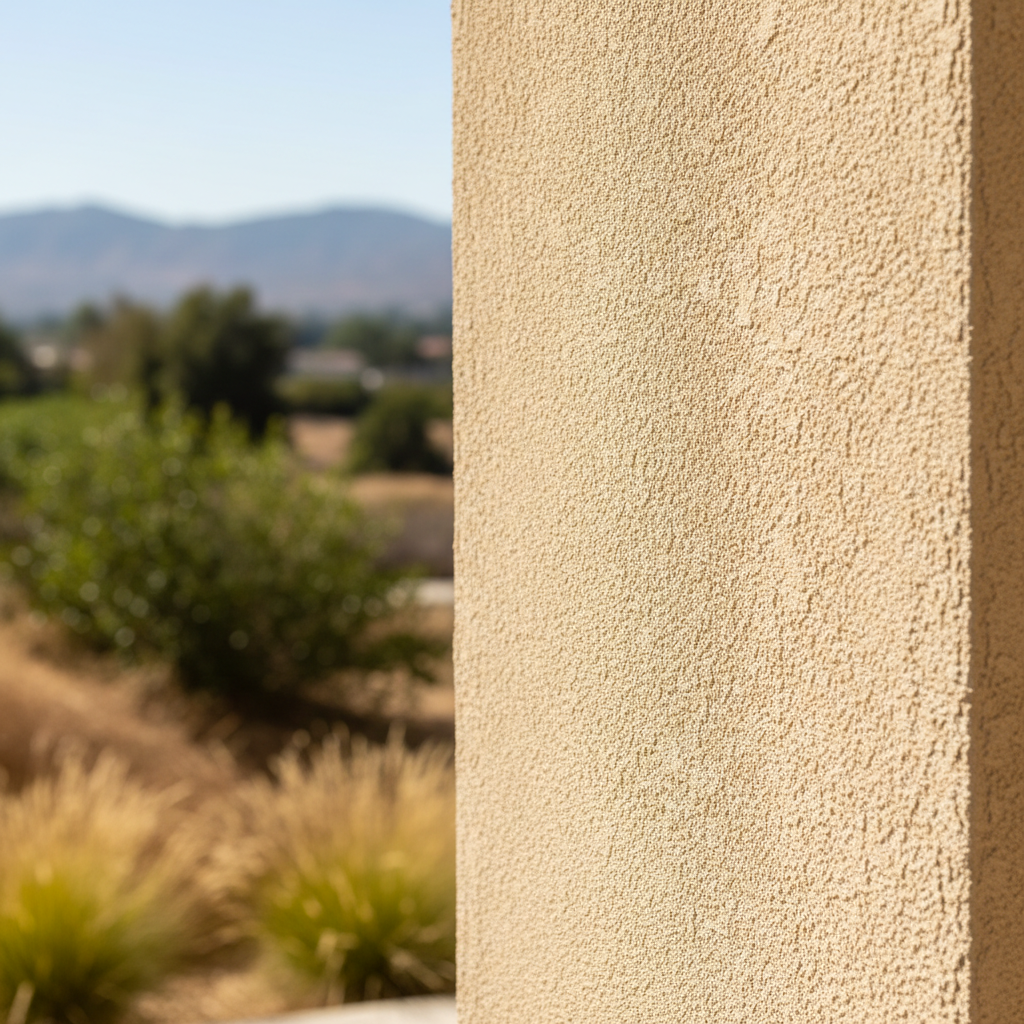
Why Bother Inspecting Your Stucco?
You probably don't spend a lot of time staring at your stucco, do you? Most folks don't. But here in Santa Clarita, with our hot, dry summers and occasional heavy winter rains, your stucco is working hard. It's not just for looks; it's your home's main shield against the elements. Ignoring it can lead to some real headaches down the road – we're talking water damage, mold, and expensive repairs that could've been prevented. A little proactive inspection can save you a ton of money and stress.
Before You Start: What to Know
First off, you don't need to be a stucco expert to do a basic check. Think of it like checking your car's oil – you're looking for obvious problems. What you're really doing is spotting potential issues early. Some things you can absolutely handle yourself, others definitely need a professional eye. Know the age of your stucco if you can. Older stucco, especially on homes built before the mid-2000s, might have different installation methods and potential vulnerabilities than newer builds. For instance, some of those older homes in Stevenson Ranch or Valencia might have stucco that's seen a lot of sun and needs a closer look.
Your DIY Stucco Inspection Checklist
Alright, let's get down to it. Grab a notepad, maybe a camera on your phone, and walk around your house. Look for these things:
- Cracks: Not all cracks are created equal. Hairline cracks, especially around windows and doors, are pretty common. They're usually just surface level. But bigger cracks, especially those wider than a credit card, or ones that run horizontally or in a stair-step pattern, those are red flags. They could mean structural movement or serious water intrusion.
- Discoloration or Stains: See dark streaks, especially below windows, vents, or rooflines? That's often a sign of water getting in and running down the wall. Green or black spots could be mold or mildew, which means moisture is present.
- Bulges or Soft Spots: Gently press on the stucco in different areas. Does it feel soft or spongy? Does it bulge out? That's a strong indicator of water trapped behind the stucco, rotting the sheathing underneath. This is a big deal.
- Efflorescence: This looks like a white, powdery residue on the surface. It's minerals left behind when water evaporates from within the stucco. It means water is getting in and then trying to get out.
- Missing or Damaged Flashing: Flashing is that metal or plastic material installed around windows, doors, and where the roof meets the wall. It's designed to direct water away. If it's bent, rusted, or missing, water's got a direct path into your walls.
- Caulking Condition: Check the caulk around all penetrations – windows, doors, pipes, and utility boxes. If it's cracked, dried out, or missing, it's not doing its job of sealing out water.
- Stucco-to-Ground Clearance: Your stucco shouldn't touch the ground. There should be at least 6-8 inches of clearance between the bottom of the stucco and the soil. If it's buried, moisture can wick up into the walls.
When to Call a Pro (That's Us!)
You've done your walk-around, and you've found some things. Maybe it's just a few hairline cracks you can patch yourself. But if you see any of those red flags – wide cracks, bulges, persistent staining, or suspect water intrusion – it's time to bring in someone who knows stucco inside and out. Don't wait. These issues don't fix themselves, and they almost always get worse and more expensive over time.
A professional inspection goes way beyond what you can see. We use tools like moisture meters to detect hidden water behind the stucco, even if there are no visible signs on the surface. We know the common failure points for stucco systems in our area, whether it's specific building practices or how our intense sun affects certain materials. We'll give you an honest assessment of the damage, explain your options, and provide a clear plan for repair. Sometimes it's a simple patch, other times it might involve more extensive repair to prevent structural damage. Here at Santa Clarita Stucco & Plastering, we've seen it all, and we're here to help you protect your investment.
After the Inspection: What's Next?
Whether you've done a DIY check or had us come out, the next step is action. If you found minor issues, address them. Patch those small cracks, re-caulk around windows. If you found bigger problems, get them fixed promptly. Procrastination is your enemy when it comes to water damage. Regular inspections – I'd say at least once a year, maybe after a big storm – can keep your stucco healthy and your home protected for decades. It's a small effort for a huge payoff in peace of mind and property value.