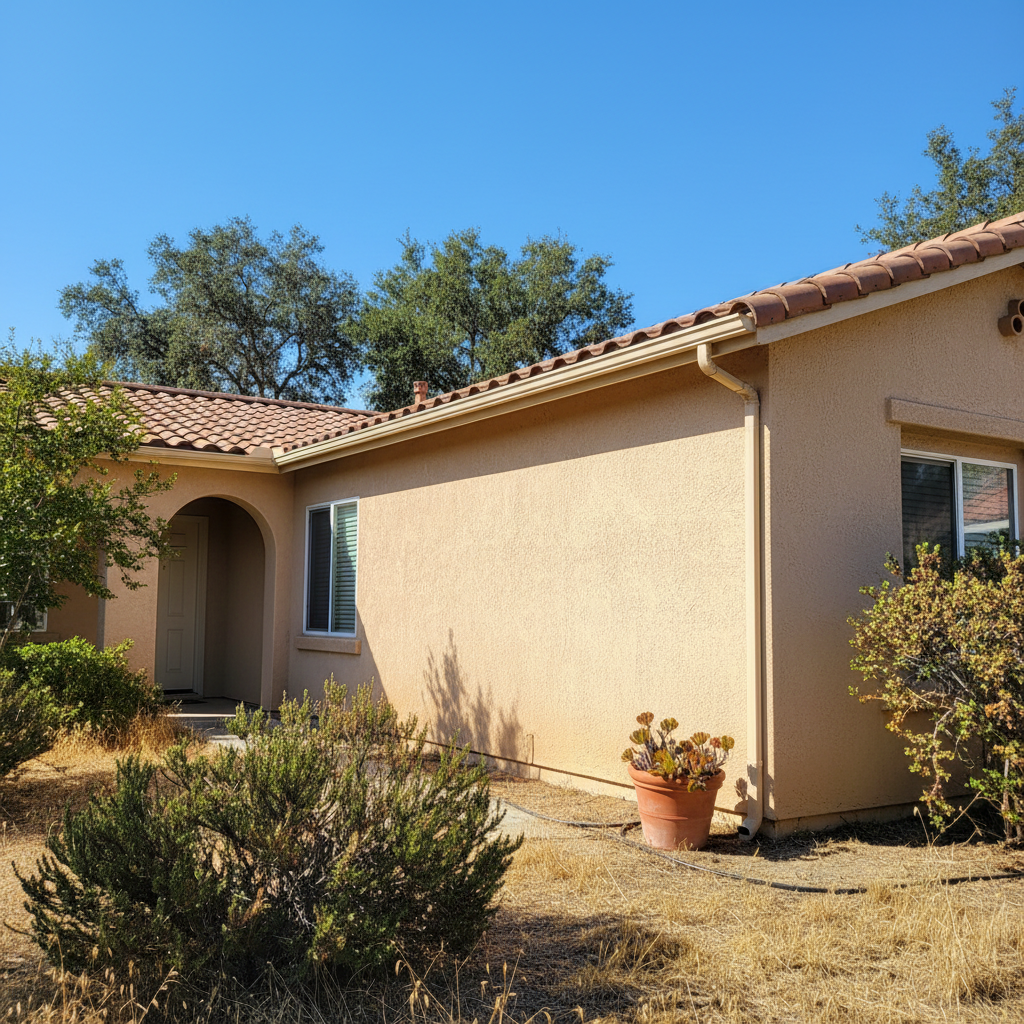
Alright, let's talk about stucco. You've got it on your home, and you want it to look good and protect your investment for years, right? That's exactly what it's designed to do, especially here in Santa Clarita where we see those hot, dry summers and occasional heavy rains. But even the best stucco job needs a little love to really go the distance. It’s not set it and forget it, not if you want it to perform.
Extending Your Stucco's Life: The Long Game
The biggest thing you can do to make your stucco last longer is pretty simple: keep it clean and keep it dry. Sounds obvious, sure, but you'd be surprised how many big problems start with something small. Our climate here, with its intense UV exposure, can be tough on finishes. That sun bakes everything, and then when we do get rain, it can really work on any weak spots.
First off, make sure your sprinklers aren't constantly hitting your stucco. I see this all the time, especially in those newer developments in Stevenson Ranch or Valencia. Water hitting the same spot day after day can lead to algae growth, staining, and eventually, moisture getting in. Adjust those heads! Also, keep an eye on your gutters and downspouts. They need to be clear and directing water away from your foundation. If water's sheeting down your walls, it's going to find a way in, and that's when you get trouble.
Another big one is landscaping. Keep bushes and trees trimmed back from the stucco. Air circulation is key. When plants are pressed right up against the wall, they trap moisture and create a perfect breeding ground for mold and mildew. Plus, branches rubbing against the stucco in the wind can cause abrasion over time.
Regular Maintenance: What You Can Do
You don't need to be a stucco expert to do some basic maintenance. Here's what I tell folks:
- Annual Wash Down: Grab a garden hose – not a pressure washer, unless you really know what you're doing and keep it on a very low setting and distance – and give your stucco a good rinse once a year. This washes away dust, dirt, and cobwebs that can hold moisture or just make your house look dingy. For tougher spots, a soft brush and a mild detergent (like dish soap and water) can work wonders. Just rinse thoroughly, okay?
- Check for Cracks: Walk around your house a couple of times a year. Look closely for hairline cracks. These are normal as houses settle, but you want to catch them early. We'll talk more about cracks in a minute.
- Inspect Sealants: Check the caulk around windows, doors, and where different materials meet (like stucco meeting trim boards). Our Santa Clarita sun can dry out and crack caulk pretty quickly. If it's cracked or pulling away, it needs to be re-sealed. This is a critical barrier against water intrusion.
Warning Signs: Don't Ignore These
Your stucco will usually tell you when something's wrong. You just have to know how to listen.
- Cracks: Hairline cracks are one thing. If you see cracks that are wider than a credit card, or if they're forming a spiderweb pattern, or running horizontally or vertically for long distances, that's a red flag. These can indicate structural movement or significant moisture issues.
- Discoloration or Stains: Dark streaks, green patches, or rust-colored stains usually mean water is involved. Green or black often means mold or algae. Rust stains might be from metal flashing or fasteners failing. Don't just paint over them; find the source of the water.
- Bulging or Soft Spots: If you push on a spot of stucco and it feels soft, spongy, or it bulges out, you've got a serious problem. This almost always means moisture is trapped behind the stucco, causing damage to the lath and sheathing underneath.
- Efflorescence: This is that white, powdery substance you sometimes see on masonry. It's mineral salts left behind when water evaporates from within the wall. It means water is getting into your stucco and then drying out, leaving the salts on the surface. It's a clear sign of moisture issues.
When to Call a Professional
Look, a lot of the basic stuff you can handle yourself. But there are times when you absolutely need to call in the pros. Don't try to DIY a major stucco repair unless you've got experience. You could end up causing more damage or creating a bigger problem down the line.
You should call someone like us at Santa Clarita Stucco & Plastering if you see:
- Any cracks that are wide, long, or seem to be growing.
- Significant discoloration or staining that you can't identify or clean yourself.
- Any soft or bulging areas. These are urgent.
- Repeated issues with moisture, even after you've tried to address obvious sources.
- If you're planning a major exterior renovation and want to make sure your stucco is sound before you start.
We've seen it all, from minor touch-ups to full-blown re-stuccos due to neglected water damage. Catching problems early saves you a ton of money and headaches. Your stucco is your home's skin; keep it healthy, and it'll protect your home for decades.