Can I just paint over my old stucco, or does it need special prep?
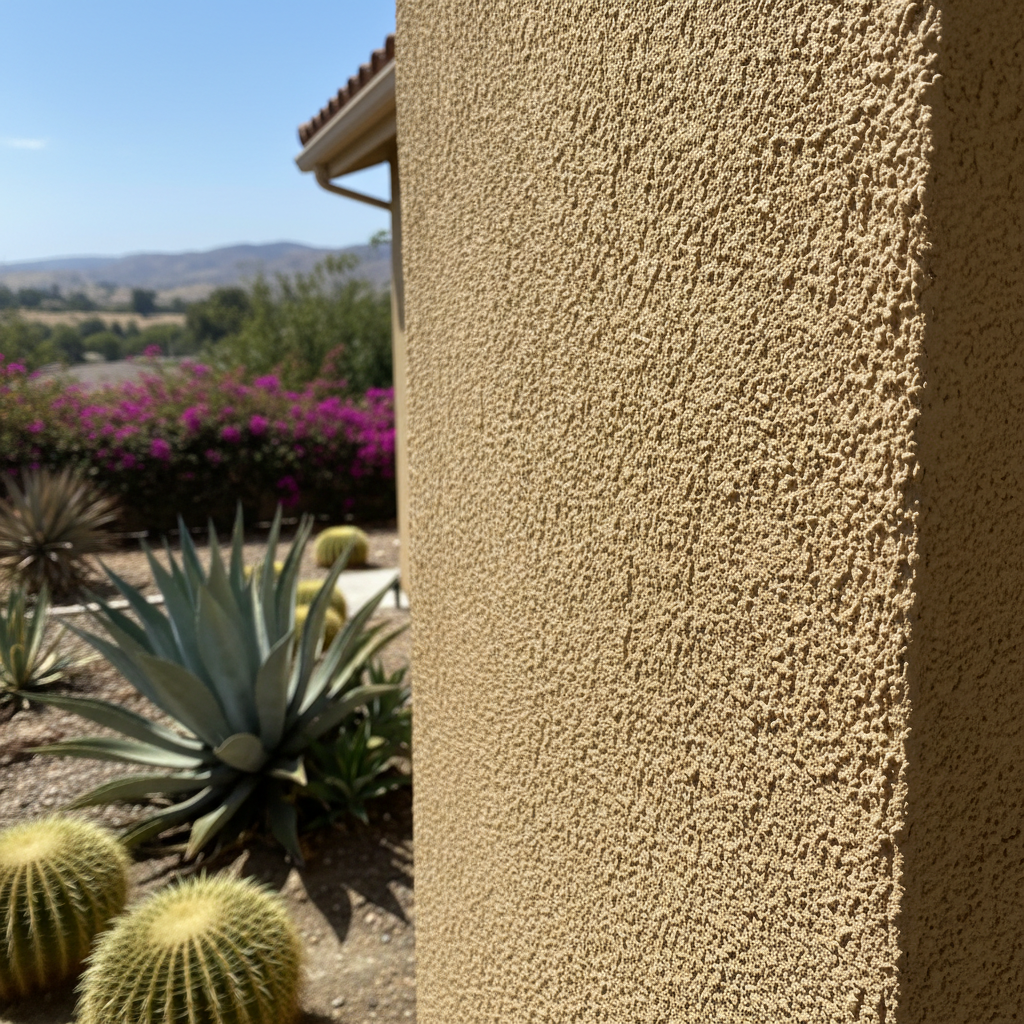
You definitely can't just slap a new coat of paint on stucco without proper prep. That's a recipe for disaster, and you'll be calling someone like me to fix it sooner than you think. First off, you've got to clean it. We're talking a good power wash to get rid of all the dirt, grime, mildew, and any loose paint. If there's mildew, you'll need a bleach solution or a dedicated mildew killer. After that, you've got to inspect for cracks. Even tiny hairline cracks need to be filled. If you skip this, water will get in, and you'll have bigger problems down the road – think stucco delamination or even structural issues. For bigger cracks or holes, we're talking stucco patching. It's gotta be done right, matching the texture as best as possible. Then, and this is crucial, you need a good quality primer. Stucco is porous, and primer helps seal it, provides a uniform surface for the paint, and makes sure your new paint adheres properly and lasts. Skipping primer is like building a house without a foundation; it just won't hold up.
What kind of paint is best for stucco in our Santa Clarita climate?
This is a big one, especially with our crazy Santa Clarita weather – those hot, dry summers and sometimes chilly, wet winters. You need paint that can handle it. I always recommend high-quality elastomeric paint or a premium acrylic latex designed for masonry. Elastomeric paint is fantastic because it's super flexible. It can stretch and bridge those tiny hairline cracks that might develop over time due to our temperature fluctuations. It also creates a really good waterproof barrier, which is essential for protecting your stucco from rain and moisture. Acrylic latex paints are also a solid choice, but make sure it's a 100% acrylic formula, not a vinyl blend. They breathe better than elastomeric, which can be good if you have any existing moisture issues, but they don't have the same crack-bridging capabilities. Whatever you choose, don't cheap out. The extra cost for a premium paint pays for itself in durability and longevity. You don't want to be repainting every few years.
How long should a good stucco paint job last?
If you've done all the right prep work and used quality materials, a professional stucco paint job should last you a good 10 to 15 years, sometimes even longer. I've seen jobs we've done at Santa Clarita Stucco & Plastering hold up beautifully for well over a decade. Factors like the quality of the original stucco, the type of paint used, how well it was applied, and even the exposure to sun and elements play a role. A south-facing wall in Stevenson Ranch, for example, is going to take a bigger beating from the sun than a north-facing wall. Regular cleaning can also extend the life of your paint job. Just a gentle wash every couple of years to remove dirt and grime can make a big difference.
Does painting stucco affect its breathability or moisture management?
It can, yes, and this is something you need to be aware of. Stucco is designed to breathe; it allows moisture vapor to escape from inside the wall cavity. If you use the wrong type of paint – like a thick, non-breathable oil-based paint or even some extremely thick elastomeric coatings applied too heavily – you can trap moisture. This can lead to problems like blistering, peeling, or even rot behind the stucco. That's why I stress using breathable acrylic latex paints or elastomeric coatings specifically formulated for stucco. These paints are designed to be vapor permeable, meaning they let moisture vapor pass through while still repelling liquid water. It's a delicate balance, and a good contractor understands this. If you've got an older home, especially one built before the 80s, it's even more critical to ensure proper breathability.
What's the difference between painting stucco and applying a new color coat?
This is a common question. Painting stucco means you're applying a layer of pigmented liquid (paint) on top of the existing stucco finish. It's a surface coating. A new color coat, on the other hand, is essentially applying a new, thin layer of stucco material that already has the color mixed into it. It's a more involved process. Painting is generally less expensive and quicker. It's great for changing colors, refreshing the look, or adding a protective layer. However, paint can eventually peel or chip, and it doesn't hide major imperfections as well as a new color coat might. A new color coat is more durable because the color is integral to the material, and it can help smooth out minor surface irregularities. It's also a good option if your existing stucco is severely faded or has a lot of minor surface damage. It's a more permanent solution, but it costs more and takes longer. We do both, and which one is right for you depends on the condition of your stucco and your budget.
Can I paint stucco myself, or should I hire a professional?
Look, you can technically paint anything yourself. But painting stucco is a whole different ballgame than painting an interior wall. There's the extensive prep work I talked about – cleaning, crack repair, patching, priming. Then there's the application itself. Stucco has a textured surface, which means it absorbs paint differently and can be tricky to get an even finish without drips or thin spots. You'll likely need specialized equipment like a high-quality sprayer, not just rollers and brushes, to get a uniform look, especially on larger homes. Plus, you're dealing with heights, ladders, and potentially scaffolding. If you've got a small, single-story home with minimal damage and you're handy, maybe. But for most Santa Clarita homeowners, especially those with two-story houses or significant stucco issues, hiring a professional is absolutely worth it. We have the experience, the right tools, and the knowledge to do it efficiently and correctly, ensuring your investment lasts.
How do I choose the right color for my stucco home?
Choosing a color can be tough, I get it. It's a big commitment. My best advice is to consider the architectural style of your home and the surrounding landscape. Look at your roof color – it's a fixed element, so your wall color needs to complement it. Think about your trim, doors, and any stone or brick accents. You want everything to flow. Don't just pick a color from a tiny swatch. Get samples! Paint large swatches on different sides of your house and observe them at different times of day. Sunlight changes everything. What looks great in the morning might look totally different in the afternoon. Drive around neighborhoods like Valencia or Saugus and see what colors you like on similar style homes. Don't be afraid to go a little lighter than you think you want, as colors often appear darker on a large exterior surface. And remember, while trends come and go, classic, timeless colors tend to hold their appeal longer.