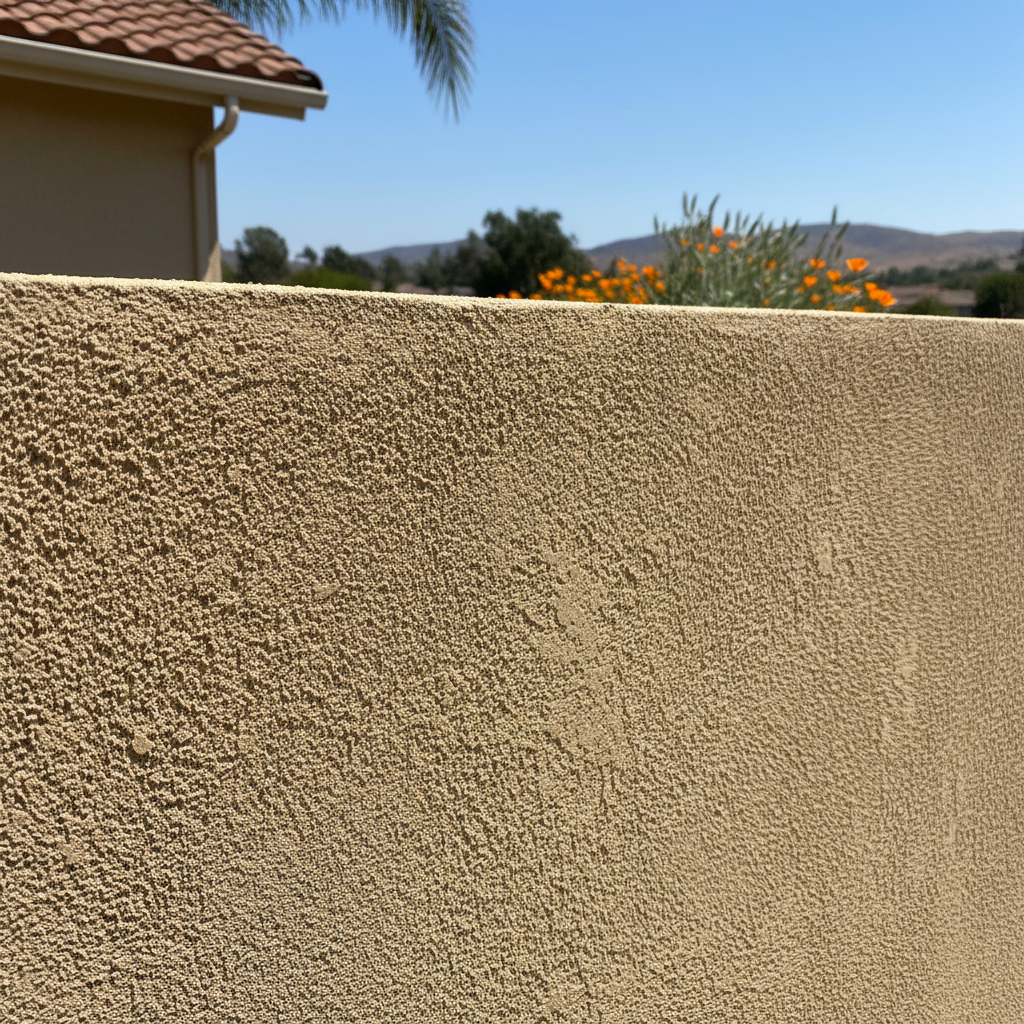
So, you're looking at your stucco and maybe it's seen better days, or you just want a fresh look. Redashing is a big topic, and I get a lot of questions about it from folks right here in Santa Clarita. Let's dig into some of the most common ones I hear and give you the straight answers.
What exactly is stucco redashing, and how is it different from a full re-stucco?
Good question, because people often get these mixed up. Redashing, in simple terms, is putting a new finish coat of stucco over your existing, sound stucco. We're not tearing everything off down to the lath or sheathing. We're prepping the old surface, maybe doing some minor repairs, and then applying a fresh layer of finish coat. Think of it like putting a new topcoat of paint on a wall that's already in good shape.
A full re-stucco, on the other hand, means we're stripping everything back to the framing or sheathing, installing new paper, lath, scratch coat, brown coat, and then the finish coat. That's a much bigger, more involved, and more expensive job. Most of the time, if your underlying stucco system is sound and you don't have major structural issues or widespread water damage, redashing is the way to go.
How do I know if my stucco is a good candidate for redashing?
This is where an experienced eye comes in. Generally, if your existing stucco is mostly solid, without widespread cracking, delamination (where it's separating from the wall), or significant water intrusion issues, it's a good candidate. We're looking for a stable base. Small, hairline cracks? No problem, we can usually address those during prep. But if you've got big, spiderweb cracks all over, soft spots, or areas where the stucco is bulging out, that's usually a sign of deeper problems that redashing won't fix. You might have water getting behind the stucco, which means you'd need a more extensive repair or even a full re-stucco.
What kind of prep work is involved before you even start redashing?
Prep is king. Seriously, it's probably the most important part of the whole job. First, we'll thoroughly clean the existing stucco. That means power washing to remove dirt, grime, loose paint, and anything else that might prevent the new coat from bonding properly. Then, we'll address any existing cracks. We'll open them up, fill them with a suitable patching material, and make sure the surface is as smooth and uniform as possible. We might also apply a bonding agent, especially if the existing surface is very smooth or painted, to ensure the new stucco adheres well. We'll protect windows, doors, and landscaping with masking and tarps. Don't skip the prep, ever. It's the foundation for a long-lasting finish.
Can I change the color or texture of my stucco when I redash?
Absolutely, that's one of the main reasons people redash! You can completely transform the look of your home. You've got a huge palette of colors to choose from, and you can pick a new texture too. Maybe you want to go from a heavy lace to a finer sand finish, or even a smooth trowel finish if your existing surface allows for it. We'll show you samples and talk through the options. It's a great way to update your home's curb appeal without the cost of a full re-stucco. Just remember, some textures are more forgiving than others, especially when going over an existing surface.
How long does a redashing project typically take, and what about the weather in Santa Clarita?
The timeline really depends on the size of your home and the complexity of the job. For an average Santa Clarita home, you're usually looking at anywhere from a few days to a week or two. That includes all the prep, application, and drying time. The weather here in Santa Clarita is a big factor, especially those hot summer days. Stucco needs specific conditions to cure properly. We can't apply it if it's too cold (below 40°F) or too hot (above 90°F) or if it's raining. The intense sun we get in places like Valencia or Stevenson Ranch can dry out the stucco too quickly, leading to cracking. We often have to work in the cooler parts of the day or take extra measures to protect the fresh stucco from direct sunlight during curing. It's all about timing and knowing how our local climate impacts the materials.
How much does stucco redashing cost compared to painting or a full re-stucco?
Redashing is typically more expensive than just painting your stucco, but significantly less expensive than a full re-stucco. Painting is a surface-level cosmetic fix; it doesn't add a new protective layer or change the texture. Redashing gives you a brand new, durable finish coat, often with a new color and texture, that can last for decades. It's an investment in your home's longevity and appearance. A full re-stucco, as I mentioned, is a much more involved construction project, so the costs are in a different league entirely. When you get a quote from Santa Clarita Stucco & Plastering, we'll break down exactly what's included so you know what you're paying for.
What kind of maintenance does redashed stucco need?
Once your stucco is redashed, it's pretty low maintenance, which is one of its big advantages. You'll want to keep it clean, just like any exterior surface. A gentle power wash every few years can help remove dirt and grime. Keep an eye out for any new cracks, especially around windows and doors, and address them promptly. Make sure your sprinklers aren't constantly hitting the stucco, as prolonged moisture can cause issues over time. Proper drainage away from your foundation is also key. Basically, treat it well, and it'll treat your home well for many years.
Will redashing fix existing moisture problems or structural issues?
No, and this is super important. Redashing is a cosmetic and protective upgrade for a sound stucco system. It will NOT fix underlying moisture problems, structural issues, or extensive damage. If you have water intrusion, mold, rot, or foundation issues, those absolutely need to be addressed and repaired *before* any redashing takes place. Putting a new finish coat over these problems is like putting a band-aid on a broken leg – it might look better for a bit, but the real problem is still there and will only get worse. We'll always do an assessment to make sure your home is a good candidate and doesn't have these deeper issues lurking.