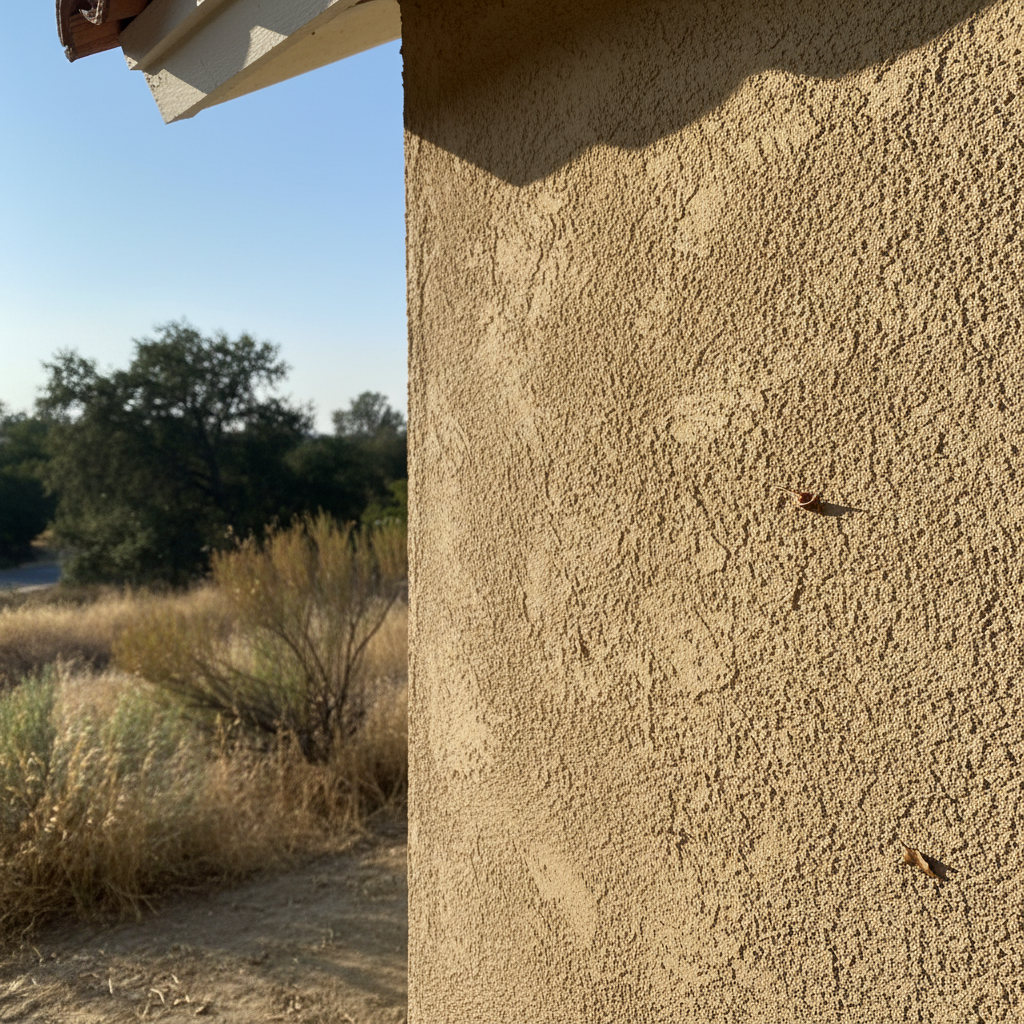
Alright, let's talk about stucco inspections. If you own a home here in Santa Clarita, chances are it's got stucco on it. It's a fantastic, tough finish, especially considering our dry, hot summers and those occasional heavy rains we get. But "tough" doesn't mean "you can just forget about it." Think about it: you wouldn't ignore a weird noise from your car, right? So, don't ignore what your stucco is trying to tell you. Knowing what to look for can seriously save you a ton of headaches – and money – down the road.
Before the Project: Your Own Stucco Detective Work
Before you even think about picking up the phone to call folks like us at Santa Clarita Stucco & Plastering, you can actually do a pretty good job checking things out yourself. Consider it your first line of defense. You're basically looking for clues, trying to catch those small problems before they blow up into big, expensive ones.
- Walk Around Your House: This might sound super obvious, but honestly, how often do you really take a slow, careful walk around your whole home, specifically looking at the stucco? Do it when the sun's out. Check every wall, especially spots that get a lot of sun or stay shady.
- Cracks – The Good, The Bad, and The Ugly: You're going to see cracks. It's stucco; that's just how it goes. Hairline cracks? Those are usually just cosmetic. They're like wrinkles on an old face – totally normal. But if you spot cracks wider than a credit card, or ones that seem to be growing, that's a big red flag. Pay extra attention around windows and doors. Diagonal cracks coming from corners often signal structural movement. And horizontal cracks? Those can mean the stucco is pulling away from the wall.
- Stains and Discoloration: Notice any dark streaks, blotches, or areas that just look... off? That usually points to water getting in. Really look closely below windows, around vents, hose bibs, and any other spots where something pokes through the wall. Water stains on the outside almost always mean water is sneaking inside the wall where you can't see it, and that's where the real damage kicks off. After a good rain, like the ones we sometimes get in winter, take another look. New stains are a sure sign of trouble.
- Bulges, Bubbles, or Soft Spots: Give your stucco a gentle tap or press. Healthy stucco feels hard, like concrete. If it feels soft, spongy, or crumbles when you press it, you've got moisture damage hiding behind it. Bulging or bubbling areas also mean moisture is trapped back there, making the stucco peel away. This isn't something to brush off; it means the stuff underneath could be rotting.
- Check the Ground Level: This one's huge, and it's easy to miss. Make sure your stucco isn't touching the dirt. There should be a gap, usually at least 6 inches, between the bottom of your stucco and the ground. If it's buried, moisture from the soil can creep right up into your walls. Also, check for good drainage. Water should flow away from your foundation, not pool up against it.
During the Project: What to Keep an Eye On
Okay, so you've done your homework and decided you need some professional help – smart move! When we or another good contractor are working on your home, you're still part of the inspection team, even if you're not actually swinging a trowel. You're the homeowner, after all, and you have every right to know what's going on.
- Ask Questions: Don't be shy. If you see something you don't get, just ask. A good contractor will be happy to explain how they do things.
- Understand the Scope: Make sure you know exactly which areas are getting fixed or replaced. If we're opening up a wall to repair water damage, ask to see how bad the damage is before it gets covered back up. Snapping a few pictures is always a good idea.
- Look at the Layers: Stucco isn't just one coat, you know? It's got multiple layers: a weather-resistive barrier, lath, scratch coat, brown coat, and then the finish coat. If you're around while we're working, you might get a peek at these layers. Just make sure they look clean and put on correctly.
- Flashing and Sealants: These are super important. Flashing guides water away from vulnerable spots, especially around windows, doors, and rooflines. Sealants fill in gaps. Make sure they're being installed right and look tidy and complete. Bad flashing is a really common reason stucco fails.
- Control Joints: For bigger stucco surfaces, control joints are absolutely essential. They let the stucco expand and shrink without cracking. If your home has large, unbroken stucco walls – pretty common in some of the newer developments around Stevenson Ranch – make sure these are being put in where they should be.
After the Project: Ongoing Vigilance
So, the job's done, your stucco looks fantastic, and you're happy. Wonderful! But your job isn't quite over. Stucco needs regular care and occasional check-ups to stay in tip-top shape.
- Regular Self-Checks: Go back to that walk-around routine. Do it at least once a year, maybe more often after heavy rain or really strong winds. Look for any new cracks, stains, or soft spots. Catching things early is key.
- Keep it Clean: Dirt, dust, and even mold can build up on stucco. A gentle wash with a garden hose and a soft brush can keep it looking good. Just don't use a high-pressure washer; that can actually damage the stucco.
- Maintain Landscaping: Keep plants, bushes, and trees trimmed away from your stucco. They can trap moisture against the wall, which leads to problems. Plus, roots can sometimes cause foundation issues that mess with your stucco.
- Know When to Call a Pro (Again): Even with regular self-checks, some issues are just beyond what a homeowner can handle. If you see cracks getting wider, persistent water stains, significant bulging, or large areas of soft stucco, it's definitely time to call in an expert. A professional inspection, ideally every 3-5 years, can uncover hidden issues like moisture behind the walls that you can't see. Here at Santa Clarita Stucco & Plastering, we've got the tools and experience to find those hidden problems before they turn into full-blown disasters.
Your home is a huge investment. Taking a proactive approach to stucco inspection and maintenance is one of the best ways to protect it. Don't wait until you've got a major problem on your hands, okay?